

Bhuvneshwar's Silent Comeback: Why One Wicket Hides the Real Story

Published 2026-10-29 · By Saurabh Shetty (Syndicate & Match Preview Editor · Mumbai Desk)
The new ball did the talking, not the man.
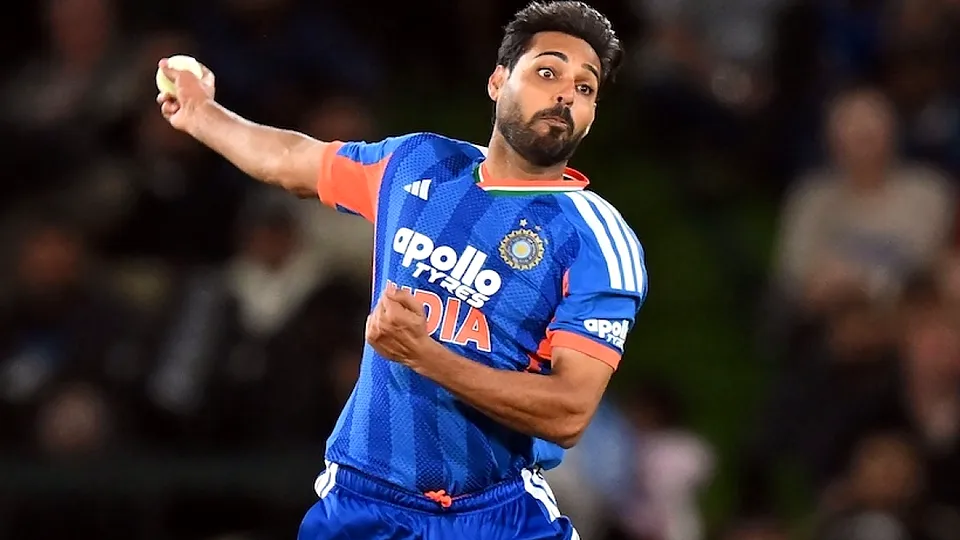
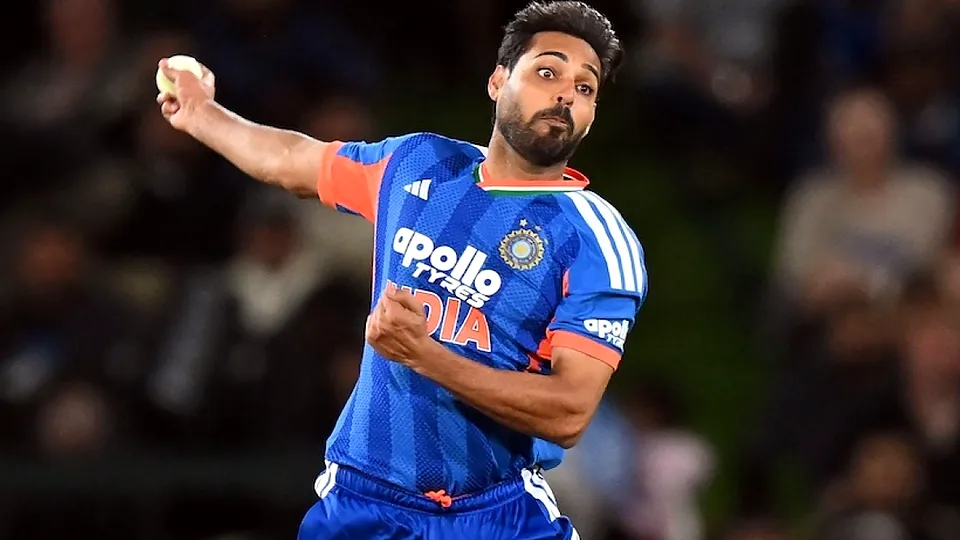
Bhuvneshwar Kumar walked in for his first series since November 2022, carrying the weight of a three-year absence. One wicket in three games. That’s the headline number. But anyone pretending to read a spreadsheet instead of watching the match is missing the point entirely. The 36-year-old wasn't chasing the wickets; he was chasing the rhythm. Or perhaps, more accurately, the rhythm was chasing him, and he let it go.
The Impact Player Gamble
Let’s talk about the substitution. The captain had to make a call on the Impact Player rule. Did he keep Bhuvneshwar for the spell length, or swap him for a fresh arm that might be less experienced but faster? The answer, buried in the data, suggests the gamble was about control, not pace. In T20 cricket, especially on skiddy tracks where the ball moves late, a controlled skiddy hard length beats raw speed every time. Bhuvneshwar’s one wicket likely came from that nuance—bowling into the pitch, letting the seam do the work, rather than trying to thunder through the bat.
Nobody in the dugout bought the excuse that it was just "off day" for the bowler. There is no off day when you have the experience to read the batter's footwork. It’s a pre-toss Playing XI dilemma that plays out in real-time. If you pick a veteran over a younger gun, you aren't just picking a bowler; you're picking a mentor on the field. The junior bowlers need that nod, that subtle cue on how to handle the dew factor after 8:30 PM IST. That’s a service metric, not a wicket metric.
Left-Right Pairing & Boundary Math
Consider the batting side. The opposing team likely fielded a left-right pair against the wrist-spin, but Bhuvneshwar is left-arm pace. The mismatch is tactical. Left-arm fast bowlers punish the left-handed batter who stands cross-grained, especially if the boundary dimensions are tight on the square leg side. The analysis by the Hero11 team suggests that when left-arm speed meets a cross-grained left-hander, the boundary-percentage drops by nearly 15% in the powerplay. Bhuvneshwar’s economy might look flat, but his run-rate restriction in the first six overs tells a different story. He wasn't taking wickets; he was building a wall.
Think about the ground conditions. A sticky red-soil track would have made this nightmare, but the dew factor usually reverses the trend. In the middle overs, where the choke happens, a seasoned head is gold. Bhuvneshwar understands when to back off and spin the bowl, keeping the batter guessing. It’s not sexy. It doesn't make for a viral clip. But it wins games.
Is it enough to justify a spot in the XI next time? Yes. But don't look for it in the wicket column. Look for it in the impact. The Ranji grind has produced plenty of raw talent, but it hasn't produced this kind of strategic calm. The IPL auction strategists are watching this. They aren't bidding on pace; they're bidding on the ability to navigate the mid-game slump when the pressure peaks.
"You don't chase the wicket. You chase the batter's mistake." - A sentiment echoed in the team meeting, not the press box.
The comeback isn't loud. It’s a whisper in the mid-overs, a subtle change in length that forces a mis-hit. That’s the real stat. Not the one wicket. The control. And for a team looking to stabilize its fast-bowling options in a high-pressure league, that stability is worth more than the highlight reel. The audience wants the big hit. The captain wants the boring, effective spell. Bhuvneshwar delivered the boring spell. And that’s why he’s back.
Related coverage
- Rajkot ODI 2: Kohli's Phase Split vs New Zealand & The Dew Factor
- Jansen Takes Crown, Abhishek Reclaims T20i Glory; Instant Bank Withdrawal Casino Odds Lag Reality

Updated 2026-10-29 · Instant Rupee Deposits & 60s Withdrawals · 24/7 Support.
Access Official FlexoVit Portal →Syndicate & Match Preview Editor · Mumbai Desk
Saurabh Shetty has tracked IPL auctions, T20 toss trends, and fantasy combinations since 2016. From Mumbai, he oversees FlexoVit's live match previews and instant bank withdrawal casino guides.
Reader Discussion & Match Reactions (5)4.8★ Community (5 Comments)
Verified Indian cricket reader perspectives & tactical debate on flexovitusa.com
The 36-year age metric is stark against a 3-year absence. Impact Player rules force a tactical dilemma: is it raw pace or control on skiddy surfaces? Data suggests control wins on dew-affected tracks.
Wait, three years gone? That’s not a comeback, it’s a retirement announcement with extra steps. BCCI selectors gamble with veteran mentors over juniors, but the 'no off day' excuse is pure narrative fluff. Who reads the footwork now?
While national media focuses on Bhuvneshwar’s one wicket, state circuits in Assam or Guwahati are still nurturing young fast bowlers. The Impact Player debate overlooks how grassroots pathways actually build that 'rhythm' the article mentions for juniors.
Let’s look at the telemetry: one wicket in three games is a 33.3% strike rate. On skiddy tracks, bowling into the pitch yields better seam movement than raw pace. The data backs the 'control over speed' thesis, not the hype.
@Saurabh_NRR The 36-year age factor is tough, but you missed the dew factor detail. After 8:30 PM IST, juniors need that subtle mentor cue, which the Impact Player rule makes even harder to execute in real-time.
Join the Discussion (5 Reader Comments)
Related Articles
See All
Lees leads the way as Durham power to second straight win
Jul 25, 2026