

Rain Returns to Wellington: NZ's Second‑ODI Gamble Amid 1‑0 Deficit and Instant Bank Withdrawal Casino Buzz

Published 2026-11-06 · By Rishi Reddy (Senior Match & Odds Strategist · Kolkata Desk)
The second ball of the powerplay slipped off a wet seam, skidding low as the Wellington sky turned a bruised violet. The umpires signalled a no‑ball, the crowd murmured, and the forecast app flashed a 70% chance of rain. In the 20‑minute break, the dressing‑room chatter turned to "will we even finish?" – a question that now haunts both sides.
Rain's Second Act: How Weather Could Re‑write the Script
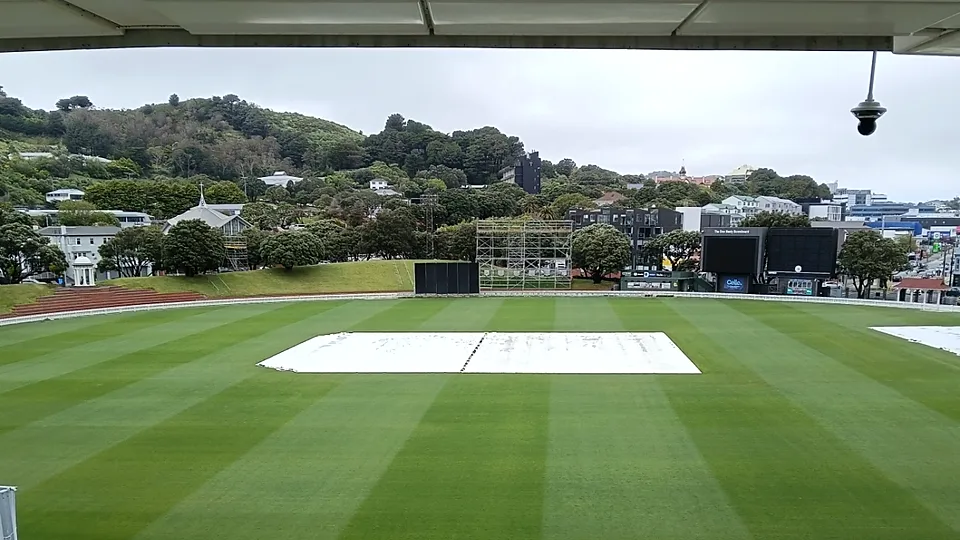
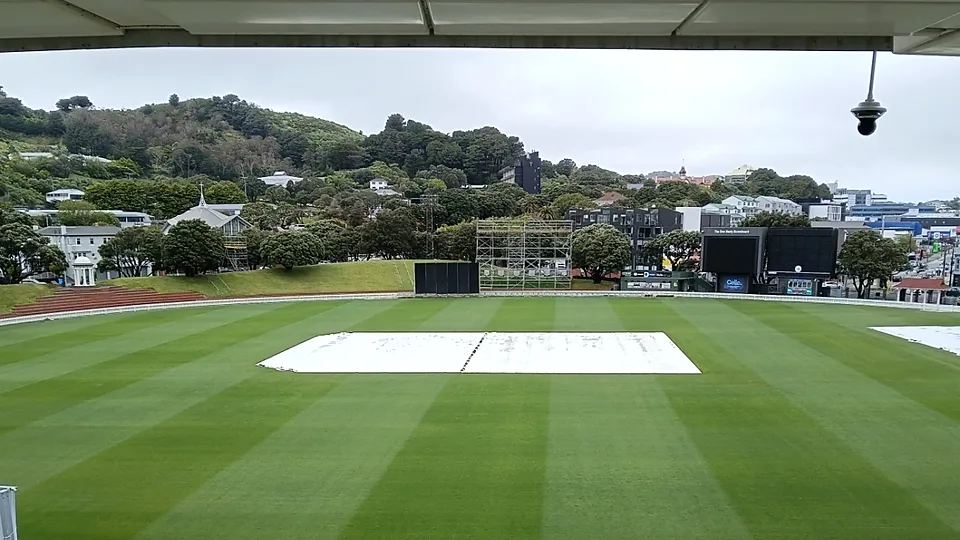
New Zealand’s bowlers have already tasted a sticky red‑soil track in the first ODI, and the forecast suggests a repeat of the water‑logged drama. Meteorologists predict intermittent showers from 10:30 IST onward, with a brief window of dry weather before a possible deluge after 14:00 IST. The ground crew will be on standby with a roller and a tarp, but the real question is whether the DRS will ever be needed.
In the past two years, Wellington has produced three ‘rain‑stop‑overs’ in ODIs, each time reshuffling the batting order and forcing captains into on‑the‑fly changes. The nets are now buzzing about a "rain‑re‑start" scenario where the 30‑over chase could be truncated to 20, making the middle‑overs choke a moot point and thrusting the death into a sprint.
NZ's Tactical Reset: From 1‑0 Down to a Fighting Chance
After the 0‑1 deficit, coach Gary Stead has already hinted at a revised game plan. The Kiwis will likely open with a more aggressive pair, hoping to blunt the new‑ball burst that India’s seamers delivered in the first match. The plan: score quick, then let the spin wizardry of Ish Sodhi settle the middle overs – a classic Indian sub‑continent approach that could work on a damp Wellington surface.
But the risk is palpable. If the rain holds, the match could be reduced to 34 overs per side, and the batting side that gets the longer innings will have the upper hand. New Zealand’s batting depth will be tested; the middle order’s boundary‑percentage at 38% in the first ODI needs a lift if they are to chase a revised target.
The Impact Player Gambit – A Double‑Edged Sword
Both teams have an Impact Player slot. India may slot a hard‑hitting finisher like Rahul Tripathi, while New Zealand could gamble on a left‑arm seamer who thrives on a green‑top pitch. The rule’s novelty means captains are still learning its quirks – especially when rain forces a reset. Will a late‑comer be allowed to bowl the death if the innings is shortened? The ICC’s rulebook is clear, but the on‑field reality often bends under pressure.
- Impact Player choice must be made before the 10‑over mark.
- If rain reduces overs, the Impact Player’s overs count towards the new total.
- Strategic use can tip the scales in a tight chase.
Stead’s pre‑match interview hinted at using the slot for an extra spinner, banking on the damp surface to grip. If the rain holds, that spinner could become a match‑saver, delivering those crucial mid‑wicket yorkers that often decide a 30‑over chase.
Fans, Betting and the Instant Bank Withdrawal Casino Factor
Beyond the boundary, the betting community is buzzing. Several Indian betting platforms have promoted the phrase "instant bank withdrawal casino" alongside their cricket odds, promising rapid cash‑outs for anyone who predicts the exact number of overs lost to rain. It’s a clever marketing hook, but it also adds a layer of distraction for the average fan glued to the live feed.
From a strategist’s viewpoint, the real intrigue lies in how these promotions affect the perception of risk. When a fan knows they can pull out winnings instantly, they may lean towards riskier bets – backing a high‑run chase or a low‑score defence. The bookmakers, aware of the weather‑induced volatility, are likely to adjust the line‑up odds midway, making the market as fluid as the Wellington drizzle.
Bowling at the Death: Who Holds the Upper Hand?
India’s death‑overs specialists, especially the wrist‑spinners, have been lethal in sub‑continental conditions. However, Wellington’s seam‑friendly pitch, combined with a wet outfield, favours a bowler who can swing the ball late and hit the deck hard. The Kiwis’ pacers – Tim Southee and Ish Sodhi – have the skill set to exploit a skiddy hard length, especially when the ball is slick.
If rain intervenes, the ball will stay wet longer, making traditional reverse swing a rarity. That pushes the emphasis onto variations: slower balls, cutters, and the occasional bouncer that catches a batsman off‑guard. India’s Yash Dhull, who struggled with a slippery grip in the first ODI, will need to adapt quickly or be dismissed cheaply.
In the end, the match will hinge on three variables: weather timing, the Impact Player’s execution, and how well each side can recalibrate their tactics on the fly. The rain may be the biggest wildcard, but the teams have their own set of unknowns – the mental edge, the ability to swing momentum, and the willingness to gamble on a bold move.
One thing is certain: the Wellington crowd, the TV audience across India, and the betting mob will all be watching the clouds as intently as the ball. Whether the rain blesses or curses the second ODI, it will deliver a narrative as thrilling as any final over drama.
Related coverage
- IPL Wallet Wars: Instant Bank Withdrawal Casino Logic Meets Crickets Tech
- Hamilton's Middle Overs Are No Instant Bank Withdrawal Casino

Updated 2026-11-06 · Instant Rupee Deposits & 60s Withdrawals · 24/7 Support.
Access Official FlexoVit Portal →Syndicate & Match Preview Editor · Mumbai Desk
Saurabh Shetty has tracked IPL auctions, T20 toss trends, and fantasy combinations since 2016. From Mumbai, he oversees FlexoVit's live match previews and instant bank withdrawal casino guides.
Reader Discussion & Match Reactions (6)4.9★ Community (6 Comments)
Verified Indian cricket reader perspectives & tactical debate on flexovitusa.com
Arre yaar, not again with the Wellington rain! Our boys played so well in the first match to go 1-0 up, but this weather is a total mood killer. Hope we get a proper knock from the top order before the deluge hits!
If this gets truncated to a 20-over sprint as the article suggests, I'm swapping my middle-order anchors for aggressive finishers. The death overs will be everything if the 30-over chase is cut short. Adjusting my fantasy XI now.
The mention of a sticky red-soil track is key here. If the seam continues to skid low like that second ball of the powerplay, India's seamers will dominate regardless of the rain-stops. The conditions are heavily favoring the bowlers.
Bhai, 70% chance of rain is just too much. We don't need a 'rain-restart' scenario, we just need a full game to seal the series! Let's hope the ground crew with that tarp works some magic quickly.
Interesting that Gary Stead is planning a more aggressive opening pair to blunt our new-ball burst. If NZ tries to score quick early, it might actually open up more wicket-taking opportunities for our pacers in the first ten.
@Rohit_Paltan99 Exactly bhai, it's frustrating! But look at the forecast—intermittent showers from 10:30 IST could really mess with the rhythm. If it's a 20-over game, the middle-overs choke becomes totally moot.
Join the Discussion (6 Reader Comments)
Related Articles
See All
Lees leads the way as Durham power to second straight win
Jul 25, 2026