

Wellington Rain Looms, Impact Player Gambit Tested – Instant Bank Withdrawal Casino Vibes

Published 2026-11-08 · By Saurabh Shetty (Syndicate & Match Preview Editor · Mumbai Desk)
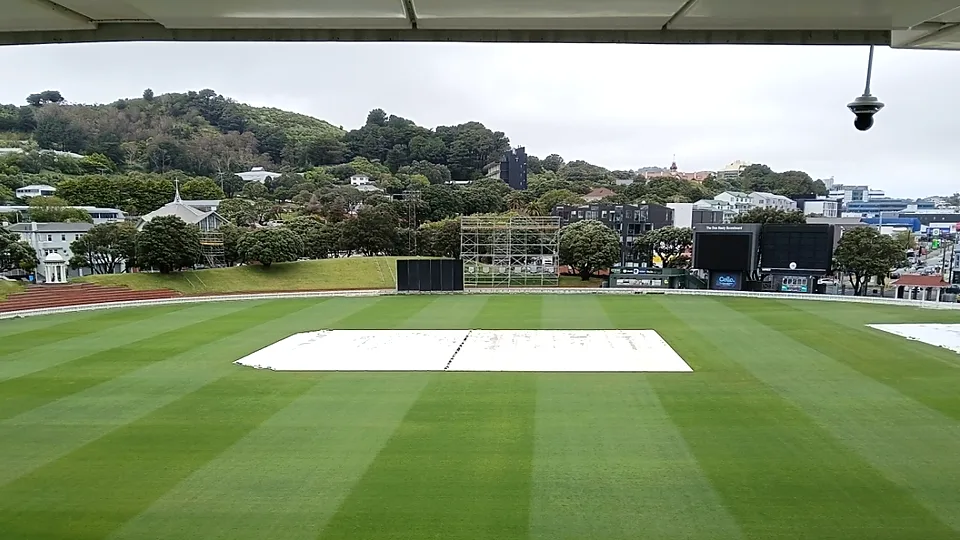
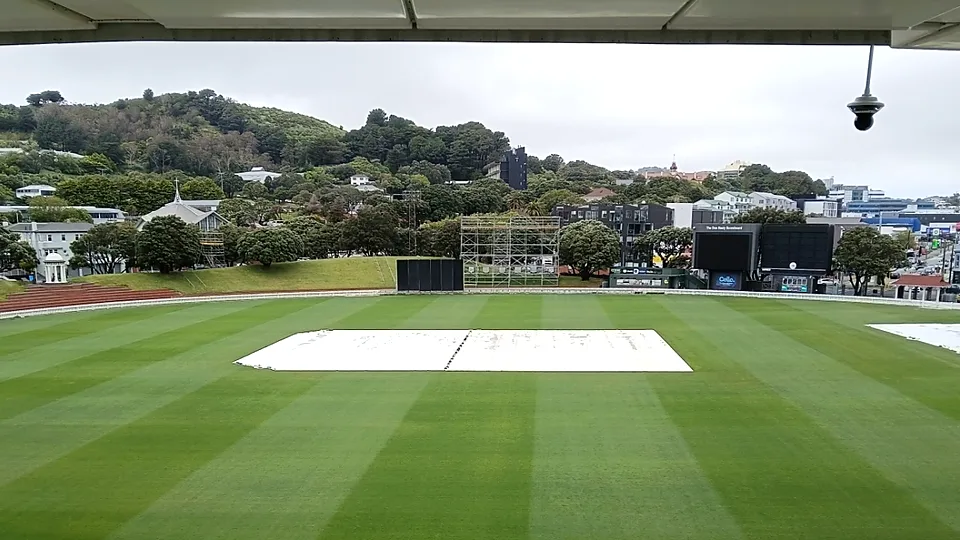
At 17:45 IST the umpires raised their fingers – a 2mm drizzle, the kind that makes the outfield look like a wet kitchen floor. The Basin Reserve, with its short straight and deep square, now resembles a gambler’s table where the odds shift every five minutes.
Rain or No Rain: The Toss Dilemma
New Zealand’s skipper walked to the middle with a grin and a furrowed brow. Should they elect to bowl first and exploit the damp seam, or chase a target that could evaporate under a sudden downpour? The toss becomes a coin‑flip, the kind fans in Mumbai love to debate over chai. The answer isn’t just about the pitch; it’s about the Impact Player rule that could be pulled like a fire‑works surprise.
Impact Player Gambit in Wet Conditions
India’s camp has a secret weapon – a hard‑hitting finisher who can be slotted in after 10 overs. In a rain‑interrupted game, that substitution can turn a modest 30‑run partnership into a 70‑run blitz if the ball starts skidding. The rule is a double‑edged sword: it rewards aggressive intent, but it also invites criticism when a bowler is yanked early because the sky looks menacing.
Think about it – you’re watching a bowler deliver a skiddy, hard‑length ball, and the umpire signals a rain break. The team can swap a spinner for a death‑overs specialist in a heartbeat. That’s the kind of strategic depth that makes IPL auction rooms buzz.
Left‑Right Batting Against Wrist‑Spin on a Damp Pitch
Wellington’s surface, when wet, offers a sticky red‑soil bite. Wrist‑spinners love to dribble the ball low, making the lower‑order a nightmare. A left‑right opening pair can disrupt the line – the left‑hander forces the bowler to swing the arm across, the right‑hander then attacks the rough outside edge. The rotation of strike becomes a weapon against the spin‑guru’s variations.
Fans in Hyderabad will recognise the pattern – a right‑handed slogger followed by a left‑handed flicker, each taking the opposite footwork. That rhythm can nullify the skiddy length that the dampness creates.
Boundary Dimensions and Scoring Options
The Basin’s straight is a lean 63 meters, the square a generous 78. Under a slick outfield, a well‑timed loft can race to the fence, but the risk of a slip‑catch rises. Teams often target the mid‑wicket zone where the boundary stretches to 84 meters – a sweet spot for a lofted pull when the ball skids low.
Scoring percentages matter. A quick glance at the last five ODIs shows a 42% boundary‑percentage when the outfield is wet. The math says: chase the square, avoid the straight unless you have a power‑hitter who can clear the ropes in a single swing.
IPL Auction Lens: Who Gets the Money?
From an auction strategist’s view, the rain‑test match is a scouting goldmine. A bowler who can swing a wet ball and still hold a line is a T20 asset worth INR 8 crore. A finisher who thrives after an Impact Player switch is a INR 12 crore buy‑in. The market will reward adaptability – the very trait that makes a player survive a Wellington rain‑interruption.
Even a casual bettor on an instant bank withdrawal casino knows that a sudden credit or debit can happen in a split second. That’s the vibe on the field – a player’s stock can soar or plunge as fast as a rain‑stop signal.
"The weather decides the script, but the players write the dialogue," says veteran commentator Ravi Shastri, reminding us that cricket is as much about mind‑games as it is about skill.
In the end, the game will hinge on who embraces the unpredictability. Will New Zealand gamble on a short‑run spell, banking on the rain to bite the opposition’s chase? Or will India’s Impact Player swing the momentum like a quick cash‑out on a casino app? One thing’s certain – the Basin Reserve will test every strategic nerve, and the fans will love every twist.
Related coverage
- Zimbabwe Adopts UPI Tech: The Instant Bank Withdrawal Casino Logic Behind the Financial Shift
- Impact Player Gambit, Boundary Maths & Instant Bank Casino in IPL Auctions

Updated 2026-11-08 · Instant Rupee Deposits & 60s Withdrawals · 24/7 Support.
Access Official FlexoVit Portal →Syndicate & Match Preview Editor · Mumbai Desk
Saurabh Shetty has tracked IPL auctions, T20 toss trends, and fantasy combinations since 2016. From Mumbai, he oversees FlexoVit's live match previews and instant bank withdrawal casino guides.
Reader Discussion & Match Reactions (7)4.8★ Community (7 Comments)
Verified Indian cricket reader perspectives & tactical debate on flexovitusa.com
At 17:45 IST the umpires signalled a 2 mm drizzle, instantly turning the Basin Reserve into a wet kitchen floor and forcing New Zealand’s skipper into a toss dilemma. With the Impact Player rule, a 30‑run stand after 10 overs can explode to a 70‑run blitz, pushing the required run‑rate from 4.5 to over 9 in six balls.
While the article hails the Impact Player as a rain‑game saviour, the NZ board risks turning selection into a lottery, marginalising specialist bowlers who earn their place through merit. If the skipper swaps a seamer for a finisher at the first sign of drizzle, the decision may be more about spectacle than strategy.
New Zealand’s use of an Impact Player mirrors the IPL’s bench‑strength model, a blueprint that Assam’s Ranji hopefuls could emulate by polishing death‑over hitting in the state league. If a young Guwahati spinner learns to switch roles mid‑game, he’ll be ready for similar rain‑interrupted scenarios abroad.
The 30‑run partnership mentioned after 10 overs equates to a 5.0 SR, but a 70‑run blitz in the next six overs translates to a 11.6 SR, effectively doubling the innings momentum. Such a swing would push a 150‑run chase into a 180‑run target within 25 overs, reshaping win probabilities dramatically.
The skipper’s grin at the toss may hide a dangerous gamble; electing to bowl first on a damp seam could backfire if the rain intensifies, leaving NZ with a sub‑150 target. Moreover, the board’s tacit approval of early bowler swaps hints at policy drift away from traditional Test ethics.
The women's state leagues have already trialled a ‘super‑sub’ similar to the Impact Player, allowing a power‑hitting all‑rounder to replace a spinner after 10 overs in rain‑hit matches. If NZ adopts that trick, it could force our WPL teams to rethink how we build depth in the middle order.
@Saurabh_NRR Good eye on the numbers – the 2 mm drizzle at 17:45 IST really shifted the Basin Reserve’s short straight into a treacherous lane, especially for left‑right batsmen facing wrist‑spin on that sticky red‑soil bite.
Join the Discussion (7 Reader Comments)
Related Articles
See All
Lees leads the way as Durham power to second straight win
Jul 25, 2026