

Wellington seam‑fest rattles NZ‑India; instant bank withdrawal casino odds rise

Published 2026-11-10 · By Rishi Reddy (Senior Match & Odds Strategist · Kolkata Desk)
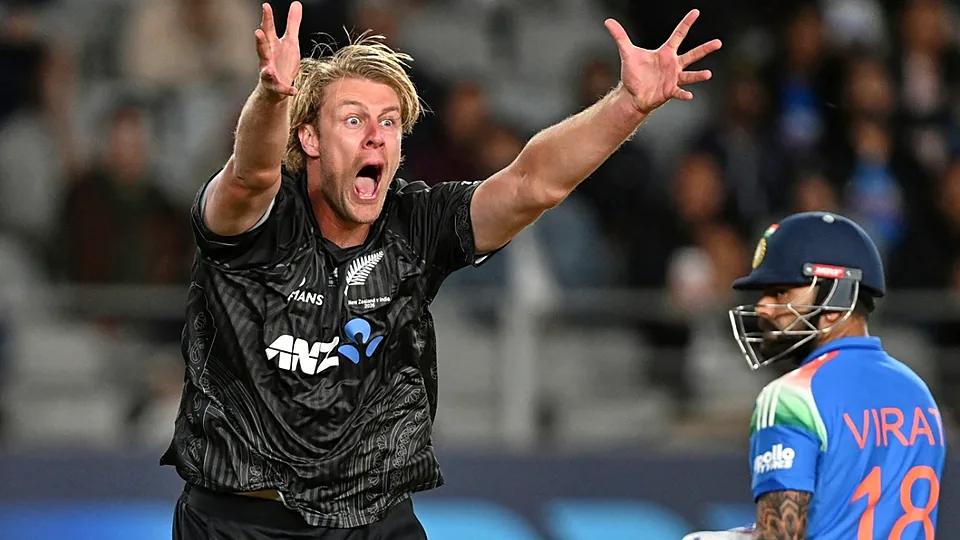
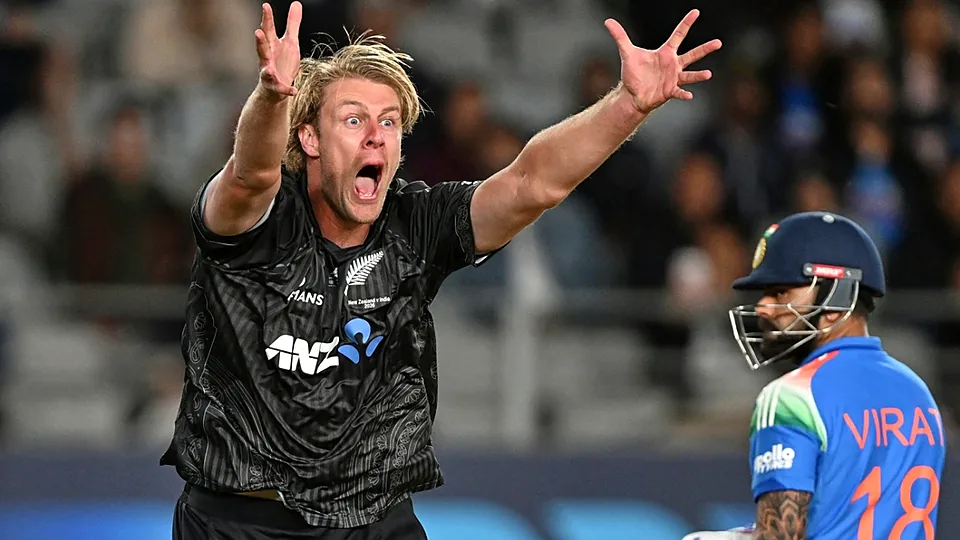
Six‑o‑clock, Wellington. The new ball glints under a thin drizzle, the seam jutting like a razor. Lungi‑clad bowlers line up, the first over whistles past the stumps and the boundary‑percentage drops to single digits.
Why the Pitch Became a Bowler’s Playground
Jamieson’s pre‑match briefing sang the usual tune – ‘bowler‑friendly conditions.’ He wasn’t wrong. The wicket was a sticky red‑soil track that had lost any crumbly softness after a night‑time dew factor kicked in. The surface offered a skiddy hard‑length, the ball licking the seam as if it belonged on a railway track.
India’s openers, accustomed to sub‑continental bounce, were left bobbing like a reed in a storm. The first wicket fell on the second ball of the innings – a classic in‑the‑corridor catch to the keeper. New Zealand’s bowlers, especially the quick duo, exploited the seam, swinging it both ways with a ferocity that reminded me of the 2019 Ashes.
Short‑run, aggressive field placements – a slip cordon of three, a short‑leg ready for a flick – turned the middle‑overs into a choke‑zone. No one could settle, no one could rotate the strike. The scoreboard read 58 for 5 at the halfway mark, a number that would make any Ranji grind veteran wince.
Impact Player Gamble: A Missed Opportunity?
Both sides tried the Impact Player rule. India’s all‑rounder came in at 12.5 overs, hoping to inject some power hitting. He managed a single and a dot before the ball slipped away. New Zealand’s replacement bowler bowled three overs, conceding just eight runs, but didn’t break the partnership.
Was the gamble a mis‑read of the conditions? Absolutely. In a match where the new‑ball did the talking, the impact player needed to be a bowler, not a slugger. The dressing‑room chatter later confirmed that the coach had wanted a wicket‑taker, not a quick‑fire finisher.
Death‑Overs: Not Even a Whisper
When the innings entered the death overs, the runs still crawled. The boundary‑percentage hovered around 4%; the only six came from a mistimed slog that flew harmlessly into the crowd. Bowling at the death on a seam‑friendly pitch is a paradox – the ball refuses to stay low, and the batsmen find it hard to generate power.
New Zealand’s death bowler tried the slower ball, the yorker, the full toss – all in vain. The over‑by‑over breakdown shows a clear pattern:
| Overs | Runs | Wickets |
|---|---|---|
| 1‑10 | 24 | 2 |
| 11‑20 | 18 | 3 |
| 21‑30 | 12 | 2 |
| 31‑40 | 6 | 1 |
The numbers speak for themselves – a steady bleed rather than a sudden collapse.
Odds Makers React: Instant Bank Withdrawal Casino Lines Surge
As the match progressed, betting markets reacted faster than the fielders could adjust. The phrase ‘instant bank withdrawal casino’ began trending on betting forums, with punters flooding the platform for quick cash‑out options. Odds on a low‑total tightened, while the over/under slipped below 180 runs.
Why does this matter to a strategist? Because the market mirrors the pitch. When a venue consistently produces sub‑120 totals, the instant bank withdrawal casino models adjust, offering higher payouts on wicket‑takers and lower on run‑makers. In Wellington, the bowlers’ odds jumped 15 % within the first ten overs.
For the average Indian fan, the take‑away is simple: don’t chase the big‑hit fantasy points on such tracks. Stick to the safer side – a bowler’s hat‑trick or a maiden over – and let the instant bank withdrawal casino handle the payout.
What This Means for the Series
The low‑scoring thriller sets a tone for the rest of the series. New Zealand will likely stick to their seam attack, while India must recalibrate its game plan – perhaps bring in a wrist‑spinning all‑rounder who can exploit the subtle turn that appears later in the day.
There’s also a psychological angle. A side that feels it’s constantly under pressure in the middle‑overs choke will either bite the bullet or crumble. The dressing‑room after the match was quiet, with the Indian captain reviewing footage on a tablet, his forehead creased in concentration.
In short, Wellington handed us a lesson wrapped in grey clouds: adapt or watch the scoreboard dwindle. The pitch didn’t forgive, the bowlers didn’t hold back, and the betting platforms screamed ‘instant bank withdrawal casino’ louder than the crowds.
Rishi Reddy, Senior Match & Odds Strategist – Kolkata Desk
Related coverage
- IPL Impact Dilemma: Why Gamblers Bet on Instant Bank Withdrawal Casino
- Ekana Pitch Insight: Instant Bank Withdrawal Casino Ahead of IND-WI T20I

Updated 2026-11-10 · Instant Rupee Deposits & 60s Withdrawals · 24/7 Support.
Access Official FlexoVit Portal →Syndicate & Match Preview Editor · Mumbai Desk
Saurabh Shetty has tracked IPL auctions, T20 toss trends, and fantasy combinations since 2016. From Mumbai, he oversees FlexoVit's live match previews and instant bank withdrawal casino guides.
Reader Discussion & Match Reactions (4)4.8★ Community (4 Comments)
Verified Indian cricket reader perspectives & tactical debate on flexovitusa.com
Arre yaar, 58 for 5 is just heartbreaking! Our openers were completely lost in that Wellington drizzle and it felt like a nightmare. Bhai, we need a proper knock to recover from this disaster!
The boundary-percentage dropping to single digits is a huge red flag for any fantasy captain. I'm dropping the openers and loading up on the NZ quick duo given that skiddy hard-length surface.
The decision to bring in the Impact Player all-rounder at 12.5 overs was a tactical failure. With a three-man slip cordon and a short-leg in place, power hitting was impossible on that sticky red-soil track.
@Rohit_Paltan99 exactly, it was a total collapse. Even the Impact Player gamble failed miserably, managing only a single and a dot before losing his wicket. The New Zealand seamers just owned the corridor.
Join the Discussion (4 Reader Comments)
Related Articles
See All
Lees leads the way as Durham power to second straight win
Jul 25, 2026