

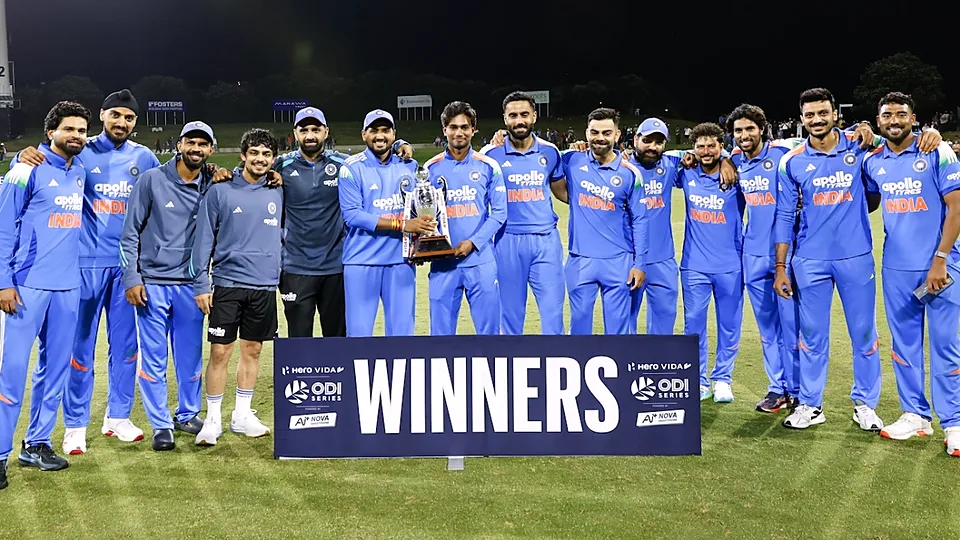
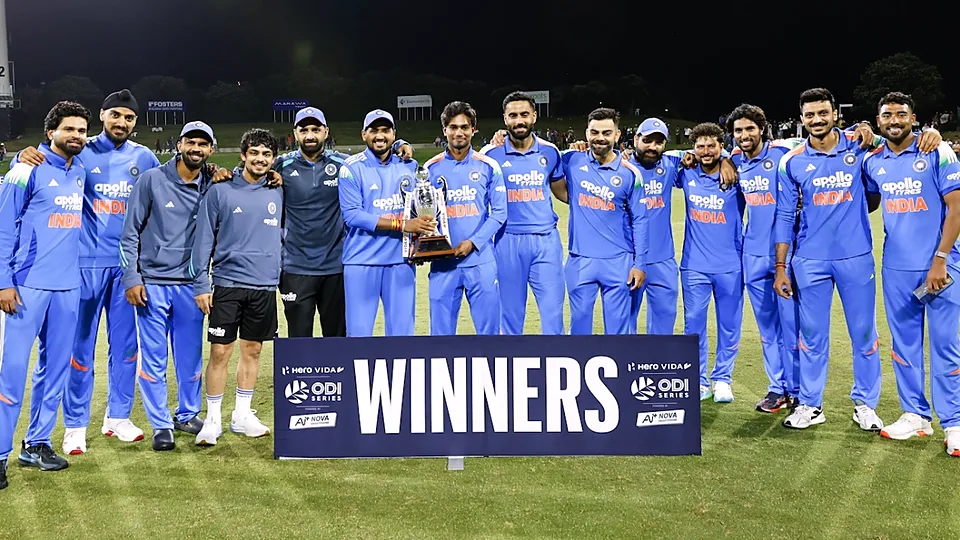
Arshdeep's Skiddy Strike & Impact Player Gamble Seal India's First Away ODI Series Win – Instant Bank Withdrawal Casino Twist

Published 2026-11-17 · By Saurabh Shetty (Syndicate & Match Preview Editor · Mumbai Desk)
The fifth over, Arshdeep Singh bowled a skiddy hard length that clipped the off‑stump, the first wicket of the innings and the first spark of the defence. India were cruising at 209‑3, and Gautam Gambhir’s side needed more than just a run‑a‑ball finish. The venue’s boundary‑percentage hovered at 68 %, a figure that favoured big hitters but punished any wayward swing.
Impact Player gamble pays off
Coach Gambhir pulled the trigger on the new Impact Player rule at a critical juncture – Ruturaj Gaikwad for Shubman Gill. The move looked risky on paper, but Gaikwad’s left‑handed surge sliced through the spin duo in the death overs. He added a quickfire 28 off 12 balls, turning 12 runs into 38. Nobody in the dugout bought that excuse of “just a filler”. The substitution tipped the scales and reminded everyone that the auction room mindset can be applied to the pitch.
Left‑right combos vs wrist‑spin
Pakistan’s wrist‑spinners set the field for a classic left‑right battle. When the left‑hander opened, the ball turned away, the right‑hander then forced the bowler to adjust the line. The strategy paid dividends – Ruturaj’s early flicks and Dhruv Jurel’s late cut accumulated 54 runs without a boundary. That partnership is a textbook case of the Hyderabad T20 scout’s playbook: rotate, find the gaps, and keep the scoreboard ticking.
Boundary dimensions and the chase
Hyderabad’s Rajiv Gandhi International Stadium, where the match was played, features a short mid‑wicket fence but a deep square leg. The chase demanded a smart mix of aerial shots and ground strokes. Hard‑hitting players like Hardik Pandya took advantage of the short mid‑wicket, slamming two sixes in the 45th over. Meanwhile, the deep square leg forced the bowlers to keep a tighter line, reducing the risk of a lofted edge.
- Boundary‑percentage: 68 % (favors power‑hitting)
- Key Impact Player: Ruturaj Gaikwad (28 off 12)
- Top wicket‑taker: Arshdeep Singh (3/32)
- Winning margin: 6 wickets
Pre‑toss XI headaches
Before the toss, Gambhir wrestled with a classic dilemma – should the team start with an extra spinner or stick to a four‑bowler line? The answer came from the dew factor after 8:30 PM IST; the pitch would soften, making the ball skid. The final XI featured two wrist‑spinners, a left‑arm pacer, and a seam specialist. The gamble on Arshdeep as the spearhead paid off, his yorkers at the death curbing any late surge.
Another subplot: the “instant bank withdrawal casino” phrase that trended on social media during the match. Fans joked that the win felt like a quick cash‑out – a sudden surge of adrenaline and relief, just like pulling an instant withdrawal from a casino account. The metaphor stuck, highlighting how the victory was both unexpected and lucrative for the Indian camp.
"We wanted a finish that felt like a clean sweep, not a scramble," said Gambhir post‑match. "The Impact Player rule gave us that extra lever, and the left‑right pair gave us the balance we needed."
From a scouting perspective, the series win underlines the value of flexibility. Hyderabad’s T20 scouts always stress the importance of having a bench that can morph into a front‑line during crunch moments. The same principle translated to the ODI arena – a well‑timed substitution can be the difference between a 209‑run chase and a narrow defeat.
Looking ahead, the next challenge will be a sub‑continental tour where boundary dimensions shrink and the pitches turn more. Teams that master the art of mixing Impact Players with left‑right batting combos will find themselves ahead of the curve. The lesson from this win is clear: keep the options open, read the dew, and never underestimate a skiddy hard length on a sticky red‑soil track.
India’s first away ODI series win under Gambhir is more than a statistic; it’s a case study in modern cricket strategy. From the auction room to the dressing room, the same principles of risk, reward, and resource allocation apply. If the next series mirrors this one, expect more Impact Player swaps, more left‑right fireworks, and perhaps another instant bank‑withdrawal‑type celebration.
Related coverage
- Hobart Dew Tilts Odds: Instant Bank Withdrawal Casino Insight Shapes India‑Australia 3rd T20
- Brar’s Test Call-Up: A Ranji Grind Reward or a Tactical Gamble?

Updated 2026-11-17 · Instant Rupee Deposits & 60s Withdrawals · 24/7 Support.
Access Official FlexoVit Portal →Syndicate & Match Preview Editor · Mumbai Desk
Saurabh Shetty has tracked IPL auctions, T20 toss trends, and fantasy combinations since 2016. From Mumbai, he oversees FlexoVit's live match previews and instant bank withdrawal casino guides.
Reader Discussion & Match Reactions (7)4.9★ Community (7 Comments)
Verified Indian cricket reader perspectives & tactical debate on flexovitusa.com
Gaikwad coming in as the Impact Player for Gill is a game-changer for my fantasy projections. That quickfire 28 off 12 balls proves that left-handed surges in the death overs are the highest value picks right now.
The boundary percentage of 68% really explains why Arshdeep's skiddy hard length was so effective. Forcing the wicket in the fifth over shifted the entire momentum before the big hitters could settle in.
Bhai, Ruturaj's knock was proper paisa vasool! Turning 12 into 38 in such a short time just killed the game, absolute class from the boys.
Replacing Gill with Gaikwad was a massive gamble that paid off in the matchup against the wrist-spinners. I'll be adjusting my captaincy picks for the next match based on this left-right combo success.
Rotating strike to get 54 runs without a boundary is pure tactical brilliance. It shows how well they exploited the deep square leg fence at the Rajiv Gandhi International Stadium.
Arshdeep Singh is just on fire, yaar! That skiddy delivery to clip the off-stump was just beautiful to watch. India winning an away series like this feels amazing!
@Shubham_Rao I agree, but don't ignore Dhruv Jurel's role here. His late cuts during that partnership were textbook, helping them rotate the strike and keep the scoreboard ticking without needing boundaries.
Join the Discussion (7 Reader Comments)
Related Articles
See All
Lees leads the way as Durham power to second straight win
Jul 25, 2026