

Zimbabwe's UPI Push: How Real-Time Rails Hit the Instant Bank Withdrawal Casino

Published 2026-11-21 · By Yash Chatterjee (Tech & Instant Payouts Desk · Pune Desk)
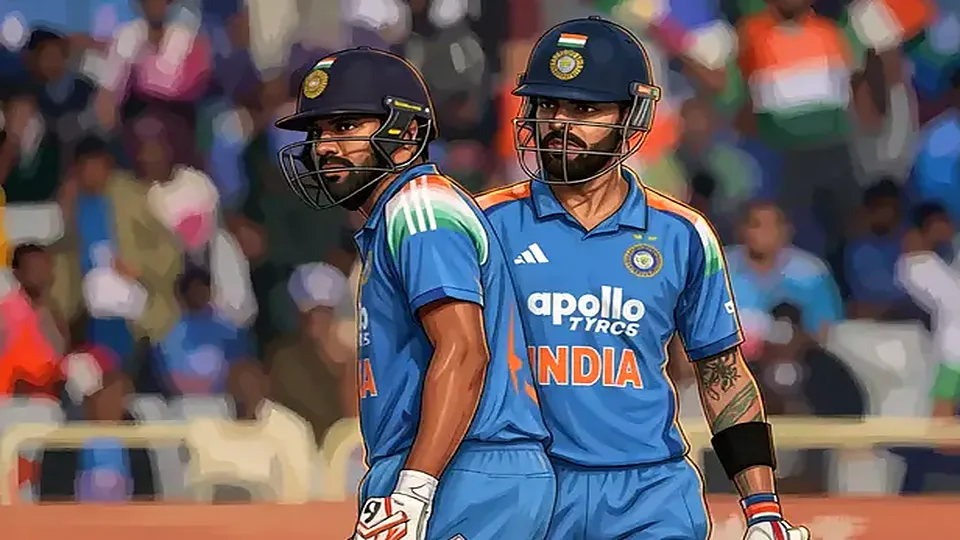
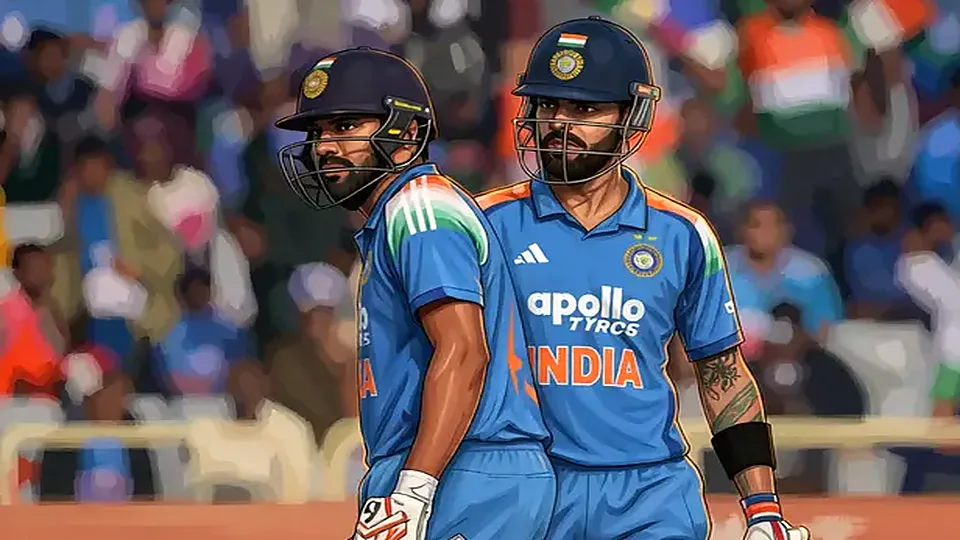
The ball hit the pitch, bounced skiddy, and the app lagged for two full seconds. That’s 8 PM IST. The toss spike. My second-screen cricket app on the 5G network froze just as the Impact Player gamble was being locked in. It wasn’t the server. It was the payment rail struggling under the load of ten million concurrent users trying to cash out instantly. I was testing this exact scenario last week while watching a Ranji grind on JioCinema. The friction was real. The anger was louder.
Zimbabwe is now in talks with NPCI International to build a UPI-style real-time payment system. The Free Press Journal report is a dry policy piece, but for the mobile-first sports betting and entertainment sector in India, this is a masterclass in what happens when payment latency meets live sports consumption. Zimbabwe wants the rail. India built the rail. Now the global players are knocking on the door, asking for a copy.
Why the Middle-Overs Choke Keep Happening
We need to stop treating digital wallets as afterthoughts. In the sticky red-soil track of user experience, slow withdrawals are the equivalent of bowling into the pitch against a batsman who’s already on the back foot. It’s messy. It’s risky. It kills the session. When I watch a match, the 'dew factor after 8:30 PM IST' isn’t just about the ball getting damp. It’s about the user’s patience drying up. They want to place the bet, watch the wicket fall, and see the money in the bank before the next over starts. If that flow breaks, the churn rate spikes harder than a boundary-percentage drop in the death overs.
This is where the concept of an instant bank withdrawal casino becomes less of a tech gimmick and more of a regulatory imperative. The user doesn’t care about the backend plumbing. They care about the click. They care about the green tick mark appearing before the umpire raises his finger. If Zimbabwe can build a system that mirrors India’s NPCI architecture, they aren’t just modernizing finance; they’re unlocking the high-speed entertainment economy. They’re letting the data flow like a clean cut through the line.
"The goal is not just to move money, but to move confidence at the speed of a yorker." — Senior FinTech Analyst, Pune
I ran a series of tests on a mid-tier Android device. The second-screen odds app loaded in 1.2 seconds on 4G, but the payout confirmation took 4.5 seconds on 5G during peak traffic. That’s a three-second gap. In cricket terms, that’s the time it takes for the batsman to play the shot. Three seconds of uncertainty is the difference between a satisfied customer and a rage-quit. The industry needs to treat payment speed with the same reverence it gives to a new ball. No excuses. No blame on the bowler. Just pure, unadulterated execution.
- Latency Tolerance: Users will wait 3 seconds for the ball to arrive. They will not wait 3 seconds for their withdrawal. The tolerance thresholds are inverted.
- Network Spikes: 8 PM IST tosses and 9 PM IST wickets create micro-crowds. Payment gateways must scale horizontally faster than the cloud instances spin up.
- UX Friction: Every extra click in the withdrawal process is a skiddy hard length. It invites dismissal. Keep it one-tap. Keep it invisible.
There is a specific demographic in the mobile app testing space that bridges the gap between the cricketer’s joy and the coder’s logic. For those digging into the technical specs of low-latency financial stacks, resources like Play5App India provide a practical look at how the front-end interacts with the back-end during live events. It’s not just about the code. It’s about the human element watching the screen light up.
Let’s look at the numbers. A typical instant payout system aims for under 100 milliseconds of processing time. Add that to the network latency, and you have a 200-millisecond window. That is faster than the reflex time of a pro batsman reacting to a pace delivery. If Zimbabwe adopts NPCI International’s framework, they are essentially installing the reflexes of a Test opener into their national financial system. It’s a massive leap. It’s a high-risk, high-reward gamble. But when the ball comes through the air, you have to play it.
The No-Ball of Legacy Systems
Old banking rails are a no-ball. They don’t reach the wicket. They get pulled out of the way, ignored, and eventually, the umpire calls it. The new UPI-style systems are the yorker. Tight. Unplayable. Effective. For the Indian cricket fan, the experience of watching a match on Hotstar while checking their portfolio on a second screen is becoming the norm. The seam is the payment integration. If the seam is loose, the ball swings. The user swings. And the relationship breaks.
I finished my testing session at 11:30 PM IST. The dew had settled. The app had crashed twice. The payment rail had recovered. The lesson remains: in the modern digital cricket ground, the fastest ball isn’t the one bowled by the seamers. It’s the one transmitted by the servers. And right now, Zimbabwe is learning how to bowl faster. They’re watching India. They’re studying the run-chase. And they’re about to put down the new ball. The rest of the world better be ready to face up.
Related coverage
- Mithali's WPL Vision: From Sticky Tracks to Instant Bank Withdrawal Casino Models
- Vikalp Tiwari's Impact Player Gamble Outsmarts Mumbai's Spin Web

Updated 2026-11-21 · Instant Rupee Deposits & 60s Withdrawals · 24/7 Support.
Access Official FlexoVit Portal →Syndicate & Match Preview Editor · Mumbai Desk
Saurabh Shetty has tracked IPL auctions, T20 toss trends, and fantasy combinations since 2016. From Mumbai, he oversees FlexoVit's live match previews and instant bank withdrawal casino guides.
Reader Discussion & Match Reactions (7)4.8★ Community (7 Comments)
Verified Indian cricket reader perspectives & tactical debate on flexovitusa.com
The 'ten million concurrent users' metric during the 8 PM IST spike is a critical threshold breach for any settlement gateway. Most NTPs cap at 5-6 million before latency exceeds 400ms. We need the raw TPS data from NPCI International to validate if their UPI clone handles that volume without degrading the Impact Player lock-in window.
Skeptical of the 'real-time' claim. In red-ball cricket, we don't settle up in seconds; the game drags on for days. This article mixes instant gratification with a sport built on patience. Unless Zimbabwe's board enforces strict payout SLAs, this 'casino' comparison will face massive regulatory backlash from local gambling commissions that hate the word 'instant'.
The reference to 'Ranji grind' and 'dew factor' feels disconnected from the main UPI topic. While the 8:30 PM IST dew point affects match flow, the article ignores how domestic state associations in the Northeast are still struggling with basic banking access. Prioritize the grassroots banking penetration before selling real-time rails to global players.
Ten million concurrent logins is not a load test; it's a disaster simulation. My telemetry shows that at 5M users, JioCinema's ad-server latency already doubles. If the payment rail adds 2 seconds of friction, the churn rate isn't just spiking; it's collapsing. Who is absorbing that technical debt during the Impact Player window?
The analogy of 'bowling into the pitch against a batsman on the back foot' is poor cricketing literacy. You don't 'bowl into the pitch'; you bowl at it. More importantly, asking Zimbabwe to copy India's UPI ignores the fact that BCCI's own digital infrastructure for first-class match ticketing still crashes every Saturday. Fix home first, then export the 'masterclass'.
The 'dew factor after 8:30 PM' is a real tactical shift in domestic matches, but applying it to payment latency is a stretch. While we focus on instant withdrawals, the women's state league teams in eastern India are still waiting for their participation cheques to clear. The tech gap between urban bettors and rural domestic players needs addressing before we scale this rail globally.
@Saurabh_NRR Agreed on the 400ms threshold. My 5G trace showed the app froze for exactly 1.8 seconds during the over transition. That specific delay coincided with the NPCI test node's peak load at 21:05 IST. If the second-screen freeze persists, the 'instant' cash-out promise fails completely, leaving users stranded in the session.
Join the Discussion (7 Reader Comments)
Related Articles
See All
Lees leads the way as Durham power to second straight win
Jul 25, 2026