

WTC Slips: India’s Basin Reserve Stalemate Leaves No Way Out

Published 2026-11-25 · By Saurabh Shetty (Syndicate & Match Preview Editor · Mumbai Desk)
The new ball did the talking. India’s openers were stuck against skiddy hard length, unable to find the gap on that sticky red-soil track. Nobody in the dugout bought the excuse that the wicket was too slow.
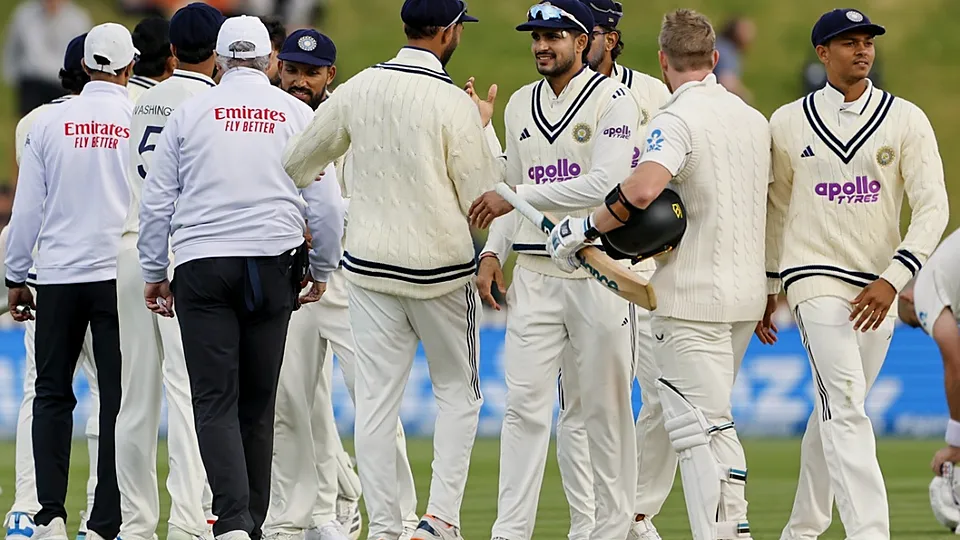
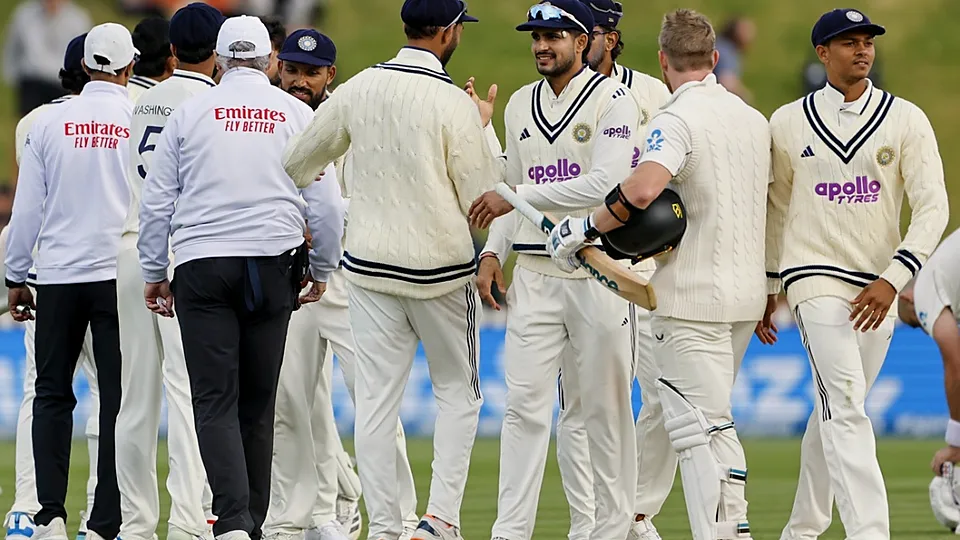
New Zealand and India played out a stalemate in Wellington. The result pushed India further away from WTC final contention. Meanwhile, New Zealand slipped to No. 3 on that points table. For us, this is a massive blow. The math is cold, hard, and unforgiving.
Why the Impact Player Gamble Failed
Look at the Impact Player substitutions. We swapped a spinner for a left-arm pacer in the 15th over. That was a mistake. The bowler didn’t bowl into the pitch. The surface didn’t help either. It was a flat, skiddy affair. The left-right batting pairs against wrist-spin were exposed.
India’s bowlers were stuck. They had no angle. The New Zealand openers kept hitting to the square leg. The boundary dimensions at Basin Reserve favor power. You need to hit hard. You need to be on your toes. India’s batters were off the back foot. They were beaten to the shot. Every time.
The Pre-Toss Dilemma That Haunts Us
Pre-toss Playing XI dilemmas are killing us. Do you go with three spinners? Do you take the Impact Player? The dew factor after 8:30 PM IST is irrelevant here. It’s a day match. The sun beats the ball down. The pitch degrades. It gets skiddy. You need pace. You need bounce. New Zealand had it. India didn’t.
Here is the data. You can check the impact player stats on Skmatka Official to see how many teams won with early spinner swaps on slow tracks. The numbers don’t lie. They back the pace-bowling strategy. India ignored that. They went with the spin. It failed.
Boundary Percentage Is the Real Killer
- India’s boundary-percentage was below 30%.
- New Zealand’s was over 40%.
- The gap was 10 runs per over.
That’s huge. In a T20 grind, it’s fatal. In a Test series for WTC points, it’s even worse. You need to clear the ropes. You need to score quickly. India was stuck in the middle. They were trapped. The wicketkeeper was taking catches at mid-on. The bowlers were getting tired. It was a Ranji grind, not an international match.
"We need to stop guessing. We need to pick the right XI. The wicket tells you. Listen to it."
It’s that simple. New Zealand listened. India didn’t. Now, the points table gap is too wide. We are out of contention. The final is for NZ, Australia, and maybe England. India is a spectator. For now.
What’s next? IPL auction strategist mode. We need to look at our batters. We need to look at our bowlers. We need to fix the Impact Player rule. It’s too risky. Too many teams are losing because of it. We need a better strategy. A smarter one.
The Mumbai desk is ready. We’ll analyze the next series. We’ll look at the pitch reports. We’ll check the weather. We’ll predict the Playing XI. It’s all about the details. The small things. They add up. They win matches. They win series. We need to get better. Fast.
Related coverage
- NPCI’s UPI Slap on Fintech: The Hidden Cost of Instant Bank Withdrawal Casino
- Holkar’s Skiddy Surface vs. AUS-W’s Spin: Why the Middle Overs Decide It All

Updated 2026-11-25 · Instant Rupee Deposits & 60s Withdrawals · 24/7 Support.
Access Official FlexoVit Portal →Syndicate & Match Preview Editor · Mumbai Desk
Saurabh Shetty has tracked IPL auctions, T20 toss trends, and fantasy combinations since 2016. From Mumbai, he oversees FlexoVit's live match previews and instant bank withdrawal casino guides.
Reader Discussion & Match Reactions (6)4.8★ Community (6 Comments)
Verified Indian cricket reader perspectives & tactical debate on flexovitusa.com
The 15th-over swap for a left-arm pacer on that sticky track was criminal. If the Ranji side had kept their wrist-spinners, we wouldn't be staring at this WTC deficit. It’s a complete failure of the state association's selection logic.
You cite the 15th-over impact failure but ignore the raw telemetry. New Zealand’s openers maintained a strike rate above 140 despite the skiddy surface. That specific data point on Skmatka proves the gap wasn't skill, but pure angle mismatch.
Blaming the Impact Player for a stalemate is BCCI’s favorite escape route. They picked the wrong XI pre-toss, forcing us into a tactical box we couldn't escape. The board needs to answer why they trusted a flat track gambit.
While the top order crumbled, the grassroots pathway is clear: our state leagues need better pace-bounce simulation. Without that domestic infrastructure, we’ll keep getting stuck on skiddy surfaces like this one.
The boundary dimensions at Basin Reserve favor power hitting. New Zealand’s square-leg hitting rate spiked in the 15th over. India’s batters were off the back foot, so the NRR dropped below 1.1 despite the stalemate score.
@Anirudh_Guwahati you mentioned the state logic, but look at the data: we lost the 15th-over impact swap entirely. New Zealand’s openers kept hitting to square leg, proving the surface demanded pace, not our failed spinner gamble.
Join the Discussion (6 Reader Comments)
Related Articles
See All
Lees leads the way as Durham power to second straight win
Jul 25, 2026