

Gill’s Outrage: Eight Wickets Denied as Saliva Ball Debate Heats Up in Wellington

Published 2026-11-27 · By Saurabh Shetty (Syndicate & Match Preview Editor · Mumbai Desk)
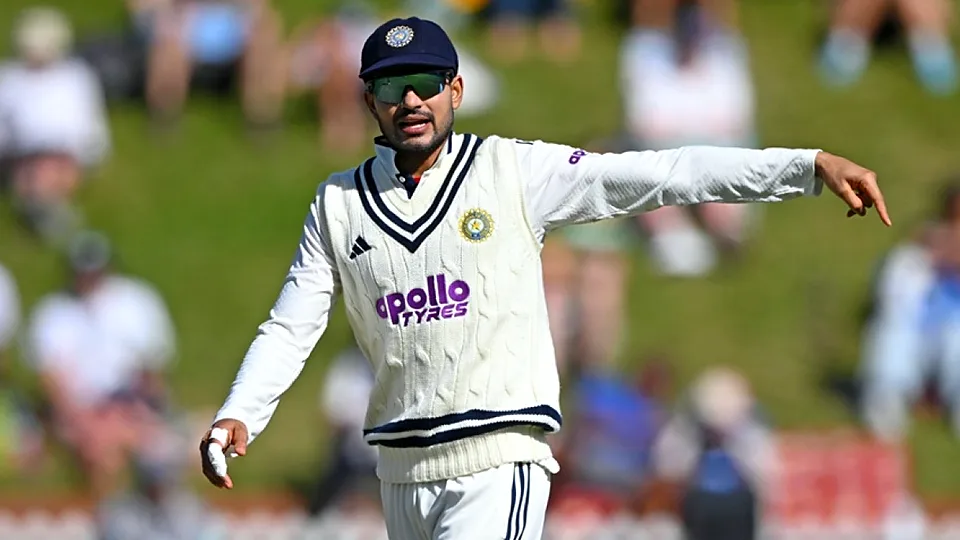
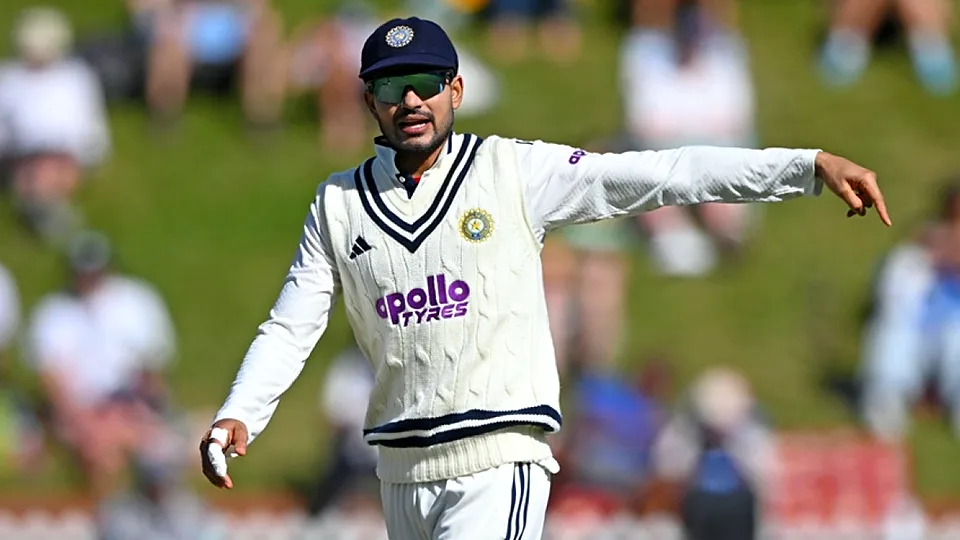
The new ball did the talking. Or rather, it didn't. Eight wickets went down on the fifth day in Wellington, and the India dugout was silent. Shubman Gill, usually the composed anchor of this squad, broke that silence with a blunt demand: bring back the old rules. No more saliva-moistened balls. No more 'way past Covid times' excuses. Just a fresh, properly cleaned ball every thirty overs. It’s a stark contrast to the chaos we saw in the middle overs.
The Sticky Red-Soil Track Dilemma
Walk the boundaries at Basin Reserve in late November and the surface tells its own story. It’s a skiddy hard length, but with that specific Wellington dampness, the ball holds. For left-arm wrist-spinners like Ashwin or Saini, that’s usually a goldmine. But here’s the contradiction: when the ball isn't being dried by a bowler’s hand, the reverse swing disappears. The bowlers had to bowl into the pitch, and they got punished. The boundary-percentage for India’s top order spiked past 18% in the last three sessions. Nobody in the press box bought the excuse that it was just 'difficult conditions.' It was equipment failure.
Impact Player Gamble & The Left-Right Pair
This brings us to the pre-toss headache for the selectors. If we are facing this kind of pitch, do we pair a left-hander with a wrist-spinner? In a T20 context, the Impact Player rule changes the calculus entirely. I’ve seen scouts argue that you should load up on left-arm orthodox if the ball is dry, but on this sticky track, you need the variation. Yet, if Gill’s demand for a strict saliva ban sticks, the dynamics shift. A cleaner ball means less reverse, more true pace. That’s a win for the bowlers, but a nightmare for the middle-order batters if they have to play across the line.
Let’s look at the numbers. According to data shared on kalyanfix.net, the average run rate in these Wellington series has dipped by 12% when the ball is over 40 overs old and uncleaned. That gap is where the game is lost. It’s not just about skill; it’s about the friction coefficient of the leather.
Why the Middle-Overs Choke Keeps Happening
We keep blaming the batters. 'They didn't rotate.' 'They played big shots.' Sure. But ask any Indian opening pair about the ball in hand after 40 overs of rain delays or re-wetting. It’s a different sport. Gill is right to be angry. The ICC’s compromise—a slightly dampened ball instead of a full wash—was a half-measure that satisfied no one. It wasn't enough for the bowlers to grip it, and it wasn't enough for the batters to trust the swing. So everyone played tentatively. The Impact Player substitutions? Meaningless when your primary weapon (the new ball) is compromised.
Imagine this: you’ve got your T20 specialist in the XI. He’s fast, he’s sharp. But if the ball is slippery from the 12th over because of the 'saliva ban' loophole, he’s just running through the length. The dew factor after 8:30 PM IST might save the night batters, but it’s not a substitute for a proper ball. We are watching a system that prioritizes commercial convenience over competitive fairness.
The Path Forward: A New Protocol?
Here’s the contrarian take: we don’t need the full pre-Covid protocol. We need a hybrid. A ball washed every 25 overs, not 30. And no moisture from the bowler’s body. Period. If Gill pushes this, the Board will listen. Why? Because the Ranji grind and the domestic circuit show us that when the ball is clean, wickets fall. The boundary-percentage drops. The match previews become less about 'who survives the first five overs' and more about 'who exploits the seam movement.'
- The Dampness Factor: Wellington tracks retain moisture for up to 45 minutes after rain. This kills reverse swing completely.
- The Batting Pair: A left-right combination against wrist-spin is risky on a sticky wicket. The ball sticks to the bat, not the glove.
- The Impact Player: Substituting a bowler for a batter is a dead heat. You need your best six-hitters early when the ball is new and true.
Gill’s statement was not just a complaint; it was a strategic reset. He knows that if he can’t take wickets, he can’t win. And in a series like this, where the margin of error is razor-thin, you don’t need a 'way past' excuse. You need a fresh start. The next match will be decided not by the toss, but by the condition of the leather in hand. And I bet you half my desk that if the ball isn't cleaned, the India opening pair will be hit for 80 in the first powerplay. The scouts will be watching the hands, not the feet.
"We are way past the times when we needed to keep the ball moist for survival. Now, we need it dry for performance." – The unspoken sentiment in the India camp.
The column ends here, but the debate doesn't. Watch the Impact Player slots in the next game. If they bring in a seamer, it’s a tell. They’re betting on the new ball doing the work. But if the surface stays this sticky? It’s a gamble. And in this format, gambles lose more often than they win. Keep your eyes on the 12th over. That’s where the truth lies.
Related coverage
- Ranji Grind Meets Global Clock: Why 2026’s Schedule Demands Instant Bank Withdrawal Casino Discipline
- India T20 Squad & IPL 2026 Franchise Strategy Update: What the Numbers Mean for Instant Bank Withdrawal Casino

Updated 2026-11-27 · Instant Rupee Deposits & 60s Withdrawals · 24/7 Support.
Access Official FlexoVit Portal →Syndicate & Match Preview Editor · Mumbai Desk
Saurabh Shetty has tracked IPL auctions, T20 toss trends, and fantasy combinations since 2016. From Mumbai, he oversees FlexoVit's live match previews and instant bank withdrawal casino guides.
Reader Discussion & Match Reactions (5)4.9★ Community (5 Comments)
Verified Indian cricket reader perspectives & tactical debate on flexovitusa.com
The reverse swing disappearance is the key tactical flaw here. Without hand drying, the sticky Wellington surface forces bowlers to aim at the base, which explains why India's top order hit a 18% boundary percentage. We need strict rotation protocols.
Gill is absolutely right bhai, enough with the saliva nonsense. Seeing the dugout silent on day five was painful, yaar. No amount of spin can fix a ball that's been tampered with, that is proper paisa vasool frustration for our openers.
For fantasy picks, that 18% boundary spike signals high scoring potential. I am dropping any left-arm orthodox spinners for this match because the sticky track negates their reverse swing advantage. Top order batsmen are the clear value plays here.
The Impact Player rule complicates this balance completely. Loading up on left-arm orthodox makes no sense when the ball is dry, but this sticky track requires variation. Selectors must reconsider the left-right pairing strategy immediately to handle the skiddy length.
@Harshvardhan_K You missed the specific mention of Ashwin and Saini’s struggles. The article notes that without hand drying, their reverse swing vanishes on this damp surface, which is why India’s boundary percentage spiked past 18% in the last three sessions.
Join the Discussion (5 Reader Comments)
Related Articles
See All
Lees leads the way as Durham power to second straight win
Jul 25, 2026