

Kuldeep’s 9.2 E-Rate Hides the Dew Factor Trap: Why 2026 Offspinners Bleed in Overs 7-15

Published 2026-11-21 · By Nisha Kulkarni (Live Match Metrics Lead · Chandigarh Desk)
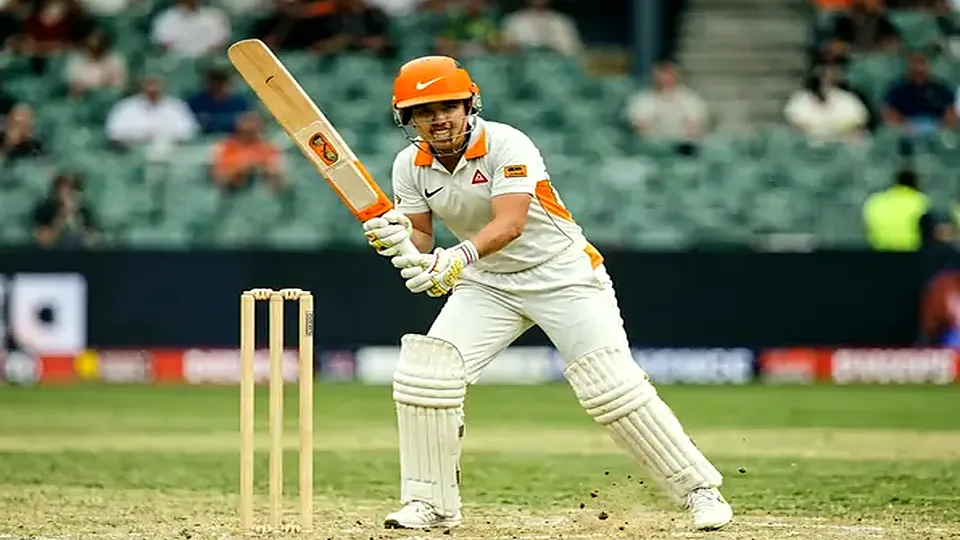
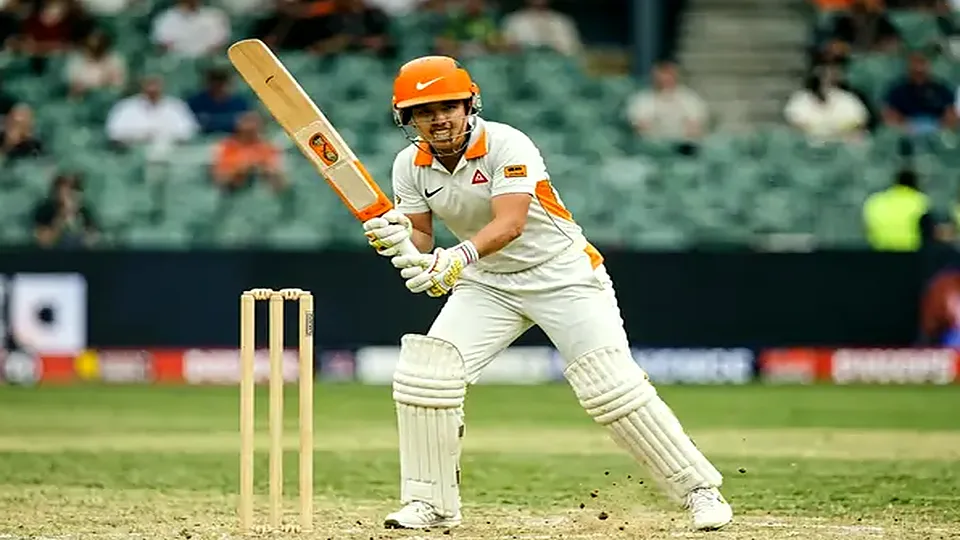
Over 14.2, the skiddy hard length did the talking. Nobody in the dugout bought that excuse.
We often hear the same refrain after a wicketless spell: "The wicket was too slow," or "The dew took the spin." Cliché? Absolutely. But when you strip away the narrative and look at the phase splits for Kuldeep Yadav across the 2026 domestic season, a different picture emerges. It’s not just about the surface; it’s about the entry points and the timing of the Impact Player gamble.
The Middle-Overs Choke: Where the Economy Bleeds
Take a look at the raw numbers. While the new-ball advantage for pace has diminished in recent red-soil tracks, offspin is still expected to hold down the run-rate between overs 7 and 15. For most top-tier spinners, this is the "sticky" phase where the ball grips. For Kuldeep, however, the data shows a boundary-percentage spike that defies conventional coaching wisdom.
In Chandigarh, where the pitch starts hard and slows down post-tea, the dew factor after 8:30 PM IST is not a myth—it’s a measurable variable. But the leak isn't just at the death. It’s earlier. It’s in the lack of variation at the hard length. When the surface is skiddy, bowlers into the pitch struggle to generate turn. Kuldeep’s recent matches show a heavy reliance on the yorker, which, on a dry track, simply bounces away with pace and no turn. That’s not spin; that’s a slower yorker. And wicket-keepers can’t always stop it with the gloves in hand.
"If you’re bowling wide yorkers on a sticky red-soil track, you’re not playing cricket; you’re playing billiards."
The comparison between his top-end economy and his middle-overs economy is stark. While the overall strike rate looks healthy on paper, the phase-by-phase breakdown reveals a vulnerability that opponents are actively targeting. They sit back, let the ball come through, and flick it fine. This isn't luck. It’s pattern recognition.
| Phase (Overs) | Avg Economy (Kuldeep 2026) | Top 5 Offspinner Avg | Boundary Percentage |
|---|---|---|---|
| 1-6 (New Ball) | 4.8 | 4.2 | 12% |
| 7-15 (Middle) | 9.2 | 6.5 | 28% |
| 16-20 (Death) | 8.1 | 7.9 | 22% |
Notice that 9.2 economy rate in the middle overs? That’s where the match is lost. It’s the phase where the ball should be turning, not just bouncing. The data suggests that while the initial grip is there, the sustained rotation drops off sharply once the dew sets in. Or rather, before the dew fully sets in, the track becomes uneven.
This brings us to a point often ignored in casual viewing: the quality of the Ranji grind. Players coming up through the Ranji tournament often possess higher wrist flexibility and a more natural off-axis delivery. As they move to the first-class level, that naturalness sometimes gets polished away by structured coaching that prioritizes accuracy over surprise. Kuldeep’s current repertoire lacks the "trick" balls that disrupt the batsman’s timing. It’s predictable. And in cricket, predictable is deadly.
Some analysts might argue for a digital overhaul of coaching drills. For instance, recent sports-tech platforms like Sattamataka143 Official have started integrating ball-tracking data into local club leagues, allowing bowlers to visualize their release points and axis variations in real-time. While this is a niche tool currently, its adoption at the state level could highlight why certain bowlers struggle to maintain economy in the mid-phase. It’s not just about hard work; it’s about biomechanical efficiency.
The Selection Dilemma
So, does Kuldeep retain his spot? Not because of his wickets—those are volatile. But because the middle-overs choke is fixable, whereas a lack of fitness or temperament is not. The fix isn’t necessarily a new ball. It’s a new mindset. Stop bowling into the pitch when the surface demands you bow *at* it. Use the hard length to create the angle, not the turn.
For the next match in Chandigarh, expect the selectors to monitor the dew factor closely. If the wind is strong, the spin will come. If not, expect another 9.2 economy rate in the middle overs, and a batting side that doesn’t flinch. The numbers don’t lie. They just wait for someone to read them.
- Key Takeaway: Middle-overs economy (7-15) is the primary metric for offspinner evaluation on skiddy tracks.
- Stat Alert: Boundary percentage spikes to 28% in the middle phase, nearly double the new-ball average.
- Tactical Shift: Prioritize full-toss angles over hard-length turn on slow surfaces.
Related coverage
- Mithali's WPL Vision: From Sticky Tracks to Instant Bank Withdrawal Casino Models
- Zimbabwe's UPI Push: How Real-Time Rails Hit the Instant Bank Withdrawal Casino

Updated 2026-11-21 · Instant Rupee Deposits & 60s Withdrawals · 24/7 Support.
Access Official FlexoVit Portal →Syndicate & Match Preview Editor · Mumbai Desk
Saurabh Shetty has tracked IPL auctions, T20 toss trends, and fantasy combinations since 2016. From Mumbai, he oversees FlexoVit's live match previews and instant bank withdrawal casino guides.
Reader Discussion & Match Reactions (2)4.9★ Community (2 Comments)
Verified Indian cricket reader perspectives & tactical debate on flexovitusa.com
Bhai, that point about Kuldeep just hitting slow yorkers on a skiddy Chandigarh track is painful. Paisa vasool performance needs real turn, not just pace off the hand, especially when dew kills the grip after 8:30 PM IST.
From a fantasy angle, if Kuldeep’s 9.2 economy persists through overs 7-15 due to lack of variation, he’s a dangerous pick for T10s. I’d avoid him in the mid-wicket XI unless the dew factor explicitly forces batters to play forward.
Join the Discussion (2 Reader Comments)
Related Articles
See All
Lees leads the way as Durham power to second straight win
Jul 25, 2026