

WPL’s New Era: How Fast Wins Are Testing India’s Young Batting Line

Published 2026-11-27 · By Meera Thakur (Broadcast & Pitch Analyst · Bengaluru Desk)
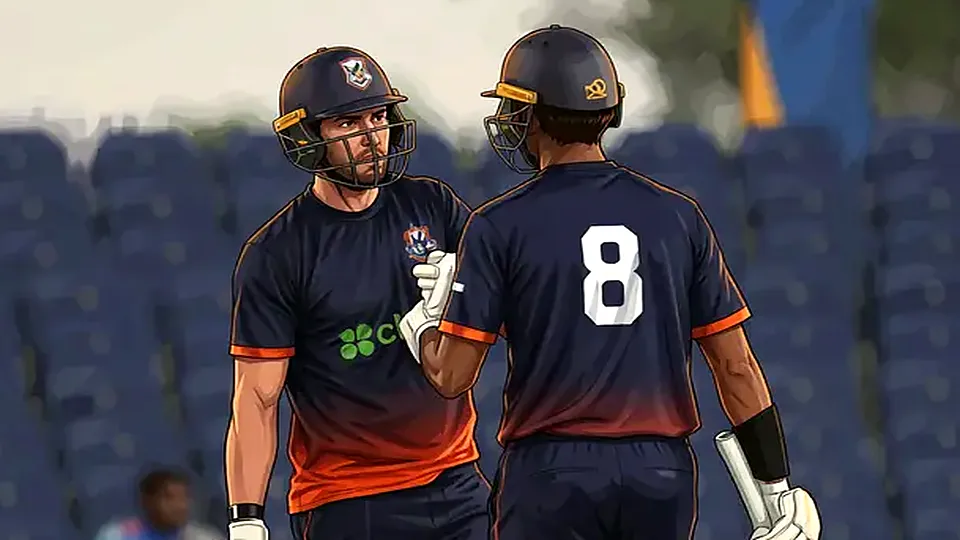
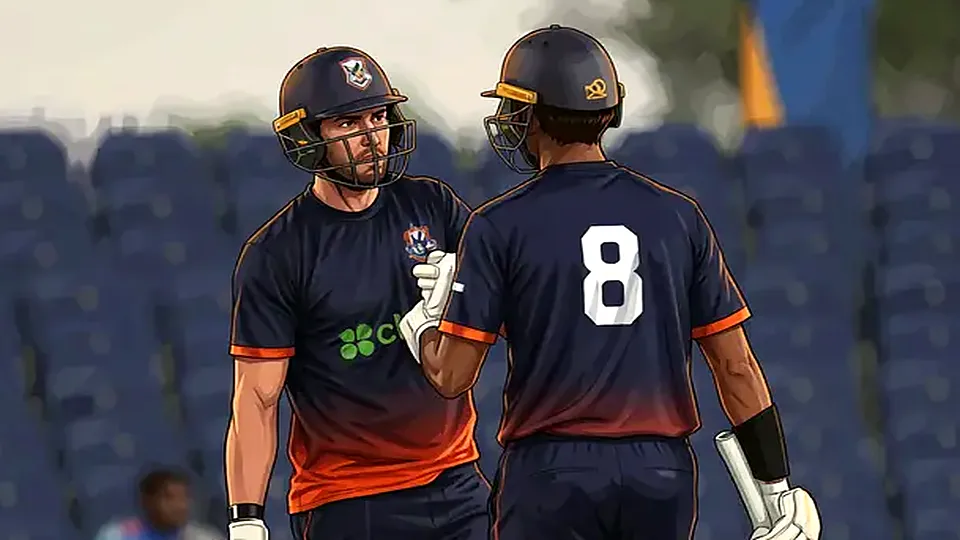
The dew was thick on the Chinnaswamy wicket by the fourth over of the second innings. It wasn't just the humidity making the pitch treacherous; it was the sheer weight of expectation. The ball skidded off the hard length, faster than anyone had anticipated in the pre-match toss. The batter, barely out of her Ranji grind, misjudged the timing. A wide ball down the leg side. The crowd didn't gasp. They watched, quietly, as the new normal settled in.
The Women’s Premier League (WPL) has stopped being just another T20 window. It has become the primary filter for talent. No longer do we wait for the Senior Women’s ODI squad to trickle down. Now, the dressing rooms of Kozhikode, Mumbai, and Delhi are buzzing with names from the U-19 circuit. The trajectory is shifting from long-form patience to high-octane adaptation. Is this good for the game? Or are we skipping the foundational steps?
The Economics of Attention
It’s undeniable. The money has changed the math. Sponsors aren't just buying ad slots; they are buying narratives. The WPL isn't just selling cricket; it's selling the instant feedback loop of modern sports. Players get real-time data on their boundary-percentage. They see their impact in the 'Impact Player' gamble before the next delivery is even bowled. This creates a feedback mechanism that feels less like sport and more like a high-stakes digital dashboard. Some fans, particularly those looking for quick engagement in the broader sports betting ecosystem, see this as a natural evolution. For instance, platforms like Dream77 India have started integrating live match stats directly into their mobile interfaces, allowing users to track a batter's strike rate in real-time alongside other entertainment options. This crossover blurs the line between spectatorship and participation. The young Indian player, accustomed to the slow burn of the domestic circuit, must now process information at a breakneck pace. Does the pressure cook a diamond, or does it crack it?
In the nets at the K.D. Jadhav ground, the contrast was stark. Veteran batters like Mithali Raj’s era successors were playing the long game—working the ball into the gaps, letting the bowlers bring it forward. The youngsters? They were playing the X-factor. They were looking for the edge. The new ball did the talking. It offered less grip, more pace. The adjustment period is not a week; it’s a season.
“We don’t have time to be nervous. The match is already over by the time you think about the next ball,” said a 19-year-old opener from the Bengaluru team, wiping sweat from her forehead under the floodlights.
This shift in mindset is reshaping how state associations scout. The old metric of 'resilience in Test cricket' is no longer the primary currency. Now, it’s 'composure under floodlights.' It’s 'decision speed on a skiddy track.' The pathway is narrowing. If you can’t handle the pace of a T20 league, you don’t get the cap. Simple as that.
The Cost of Speed
But there’s a trade-off. When you prioritize the big hit, the craft erodes. I’ve seen batters in the SMAT finals who could play a perfect cover drive, but who would have struggled against the bouncer barrage of a WPL fast bowler. The league demands a specific skill set. It demands that you be dangerous on the first ball of the over. It demands that you take the 'Impact Player' gamble without hesitation. If you get it wrong, you’re not just out; you’re visible. The failure is broadcasted to millions instantly. There’s no hiding in the shadows of a mid-wicket partnership. Nobody in the dugout bought the excuse of 'learning curve.' The scoreboard doesn't care about your age. It only cares about runs.
- Scouting Changes: Associations now prioritize T20 stats over first-class averages for domestic selection.
- Pressure Management: Players report higher anxiety levels pre-match, requiring sports psychologists to be on standby more frequently.
- Equipment Tech: Bats are being engineered for power over control, a visible shift in the gear racks.
The financial implications ripple beyond the pitch. The visibility of the WPL has opened doors for endorsements that were previously reserved for men’s cricket. Young players are signing deals that dwarf their state association salaries. This wealth, however, comes with scrutiny. The public eye is a harsh judge. A single dropped catch can trend negatively within the hour. The feedback loop is instant, relentless, and unforgiving.
As the season winds down, the question remains: Are we building a generation of cricketers, or just a generation of entertainers? The answer might not matter as much as the result. The WPL has transformed the ecosystem. The old guard is still there, but the young are moving faster. The red-soil track of the domestic circuit is still there, but the spotlight has shifted to the hard, quick wickets of the league. Can they survive the shift? The next match will tell.
Related coverage
- Gill’s Outrage: Eight Wickets Denied as Saliva Ball Debate Heats Up in Wellington
- Ranji Grind Meets Global Clock: Why 2026’s Schedule Demands Instant Bank Withdrawal Casino Discipline

Updated 2026-11-27 · Instant Rupee Deposits & 60s Withdrawals · 24/7 Support.
Access Official FlexoVit Portal →Syndicate & Match Preview Editor · Mumbai Desk
Saurabh Shetty has tracked IPL auctions, T20 toss trends, and fantasy combinations since 2016. From Mumbai, he oversees FlexoVit's live match previews and instant bank withdrawal casino guides.
Reader Discussion & Match Reactions (7)4.9★ Community (7 Comments)
Verified Indian cricket reader perspectives & tactical debate on flexovitusa.com
Yaar, seeing U-19 names drop into Kozhikode and Mumbai squads is scary, bhai. The dew at Chinnaswamy makes those short, hard-length balls lethal if you misjudge timing. We are definitely skipping the foundational steps now.
From a fantasy angle, the 'Impact Player' gambles change everything for batting order shifts. If the dew affects the first four overs, I am dropping top-order batters in favor of middle-order wickets who can handle the skidding pitch.
The tactical shift from long-form patience to high-octane adaptation is clear in the dew reports. When the ball skids off hard length, field placements need to be tighter in the deep, not just reactive. The U-19 batters are struggling with that specific timing window.
Proper knock of the new era, but yaar, the pressure on these U-19s is massive when they face skidding bails in the dew. The crowd not gasping just watching shows how normalized this instant feedback loop has become in the dressing rooms.
For fantasy picks, tracking the boundary-percentage real-time data is crucial when the Impact Player rules apply. I am heavily weighting batters who have shown resilience against skidding deliveries in the first four overs, as that’s where the dew impact peaks.
Harshvardhan and Arjun, the dew impact on the skidding bails changes bowling changes entirely in the second innings. You cannot just bowl short; the field placements have to account for the treacherous pitch conditions that trap the batters.
@Rohit_Paltan99 I agree that the silence of the crowd is telling, but the real danger is the wide ball down leg side when the timing is off. The article mentions the ball skidding faster than expected, which makes those U-19 batters vulnerable in the crucial early overs.
Join the Discussion (7 Reader Comments)
Related Articles
See All
Lees leads the way as Durham power to second straight win
Jul 25, 2026