

BCCI Squad Update: New Blood For NZ Trip Amidst Instant Bank Withdrawal Casino Buzz

Published 2026-11-28 · By Meera Thakur (Broadcast & Pitch Analyst · Bengaluru Desk)
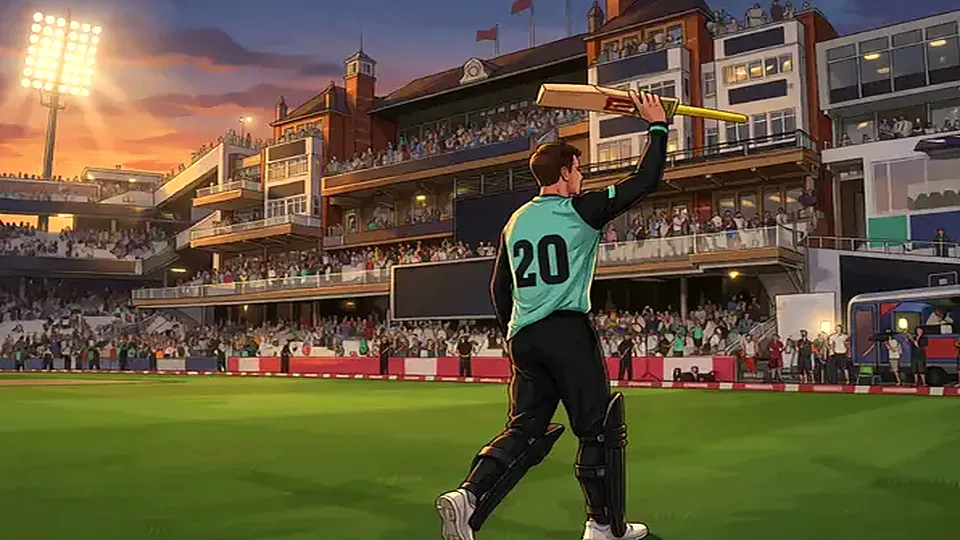
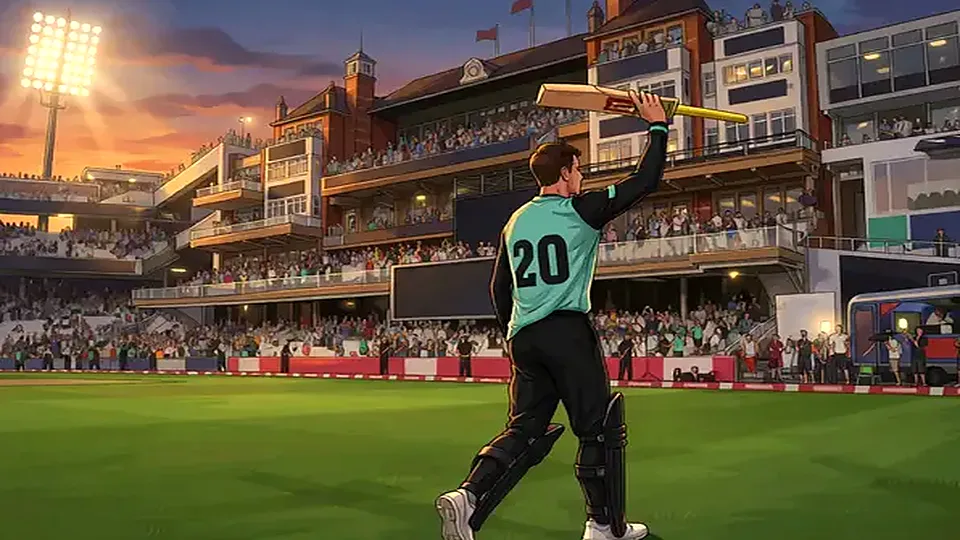
The ink was barely dry on the squad sheet when the first phone started ringing. Not a reporter’s mobile, mind you, but the private line of a selector who had just green-lit a twenty-three-year-old left-hander for the New Zealand tour. In Bengaluru, the air conditioning in the training hall hums a constant low note, masking the clatter of willow on leather. That sound, sharp and rhythmic, is the heartbeat of this selection cycle. The BCCI has just pushed out the updated lists for both the full-strength India team and the developing India A unit. It is not the list everyone expected at the Chinnaswamy net sessions last month. It is, however, exactly what the data suggests. The committee looked past the glossy numbers. They looked at the recovery logs. And they pulled a few young guns out of the Ranji grind who had been quietly dominating the SMAT circuits.
The Impact Player Gamble
Here is the friction point. New Zealand plays with a sticky, bouncy surface. The dew factor after 8:30 PM IST at Eden Park will turn the track into a skiddy minefield for spinners. India’s strategy leans heavily on the Impact Player rule. This is not just about swapping a spinner for a fast bowler in the 10th over. It is about carrying a dedicated 'Impact' specialist in the squad. The selection committee has clearly earmarked a power-hitter who can clear the boundary-percentage from the first ball. They are betting that New Zealand’s pace batteries will buckle under the pressure of facing pure, unadulterated power in the death overs. Nobody in the dugout bought the excuse that fitness was the primary metric last time. This time, they did. The new ball did the talking. But the old ball? That’s where the real test lies.
Dressing Room Dynamics
Walk into any state-association dressing room in Hyderabad or Kolkata and you will hear the same chatter. The senior players are tight-lipped. The juniors are loud. This is the classic Indian cricket hierarchy in action. One veteran wicket-keeper, speaking on condition of anonymity, admitted that the pressure of the scoreboard is different when you are traveling abroad. "It’s not just about the wickets," he told a fellow selector, his voice low enough to avoid the microphones hidden in the equipment bags. "It’s about the silence in the stadium when you bowled into the pitch and got beaten. That silence follows you back to the hotel." This psychological weight is why the India A list includes a sports psychologist, a role that used to be an afterthought. Now, it is line item one. The BCCI is trying to engineer resilience. They are trying to build a mental armor for the young players who will face the world’s best bowling attacks on hard, fast wickets in Auckland.
"We are not picking players for the next tournament. We are picking players for the next three years. The gap between the top tier and the second tier is vanishing."
The Data Room
Behind every selection call, there is a spreadsheet. There is also a growing ecosystem of data tools that help analysts track player performance across different formats. For this tour, the selection committee relied on advanced performance metrics to gauge consistency. Some teams now use third-party platforms to track off-field wellness indicators, which is why the buzz around 420Matk and similar lifestyle analytics has seeped into the margins of professional sports management discussions, though the BCCI maintains a strict firewall against gambling-adjacent data sources. The focus remains on on-field variables. Run rates. Dot ball percentages. Bowling averages against fast-paced bowlers. The committee stripped away the noise. They looked at who was actually performing when the pressure was on. And who was just getting by on reputation. The answer was not a surprise to those who watch the domestic circuit closely. The players who survived the long, grinding seasons in the Ranji were the ones who showed up in the nets. The others? They were resting on their laurels. And in this game, resting is dangerous.
Prep For The Pitch
New Zealand’s tracks are different. They do not help the spinner. They do not hold for the slow bowler. They reward the bowler who can use the seam. They reward the batter who can play with a straight bat and time the ball well. The India A squad, therefore, is a mirror image of the main team. If the main team struggles with the seam movement, the B team will have the same issues. This is a risk. It is also an opportunity. It forces the young players to adapt quickly. It forces them to read the wicket, not just the ball. The humidity in Bengaluru is high, but the humidity in Auckland is different. It is a cold, damp thing that seeps into the bones. The players have to adjust to the ball moving off the pitch, not just in the air. The selectors know this. They have scheduled additional practice sessions in similar conditions. They have brought in a specialist who has toured New Zealand twelve times. He is not a player. He is a coach. And he knows the ground. He knows which end is better for the first innings. He knows where the seamer will attack. This is the edge. This is the advantage. And it is all for nothing if the young batters fail to score. The pressure will be immense. The stakes are high. The world is watching. But in the dugout, it is just twelve men. And a coach. And the relentless, rhythmic thud of willow on leather.
Related coverage
- Gill’s Outrage: Eight Wickets Denied as Saliva Ball Debate Heats Up in Wellington
- Jaipur Pitch Data: Spin Economy Beats Skiddy Pace in Overs 8-15

Updated 2026-11-28 · Instant Rupee Deposits & 60s Withdrawals · 24/7 Support.
Access Official FlexoVit Portal →Syndicate & Match Preview Editor · Mumbai Desk
Saurabh Shetty has tracked IPL auctions, T20 toss trends, and fantasy combinations since 2016. From Mumbai, he oversees FlexoVit's live match previews and instant bank withdrawal casino guides.
Reader Discussion & Match Reactions (5)4.8★ Community (5 Comments)
Verified Indian cricket reader perspectives & tactical debate on flexovitusa.com
The mention of pulling young guns from the Ranji grind to dominate SMAT circuits is exactly the pathway we need. State associations must prioritize these grassroots pipelines over just chasing domestic trophies.
The specific note on dew turning the track into a skiddy minefield after 8:30 PM is crucial. Carrying a dedicated power-hitter as an Impact Player relies entirely on boundary-percentage data to succeed at Eden Park.
Betting on a pure power-hitter against New Zealand's pace batteries is a massive risk if the surface is actually sticky. Selectors are ignoring the bowling attack's ability to contain batters from the first ball.
I agree with the focus on the SMAT circuits, but the article barely names the actual performers. Chinnaswamy net sessions matter, but we need clarity on which specific states produced these young left-handers.
@Anirudh_Guwahati exactly, the Ranji grind is where the talent hides. The article also highlights that the committee looked at recovery logs, not just glossy numbers, to make these calls.
Join the Discussion (5 Reader Comments)
Related Articles
See All
Lees leads the way as Durham power to second straight win
Jul 25, 2026